Invited Speakers
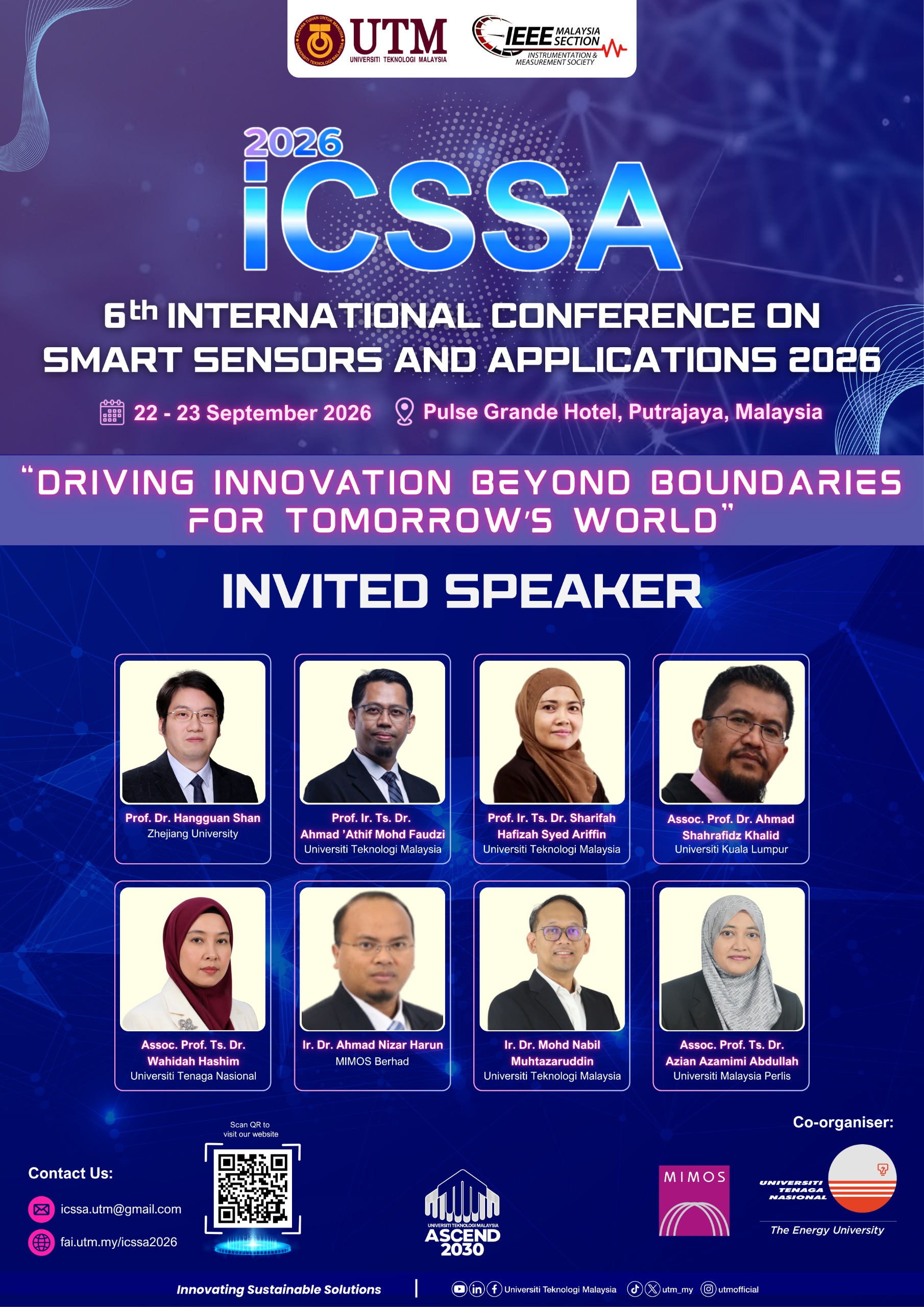
ICSSA 2026 features invited speakers from leading institutions and industry experts who will share insights on emerging research, technologies, and applications in smart sensors, intelligent systems, wireless networks, sensing, and AI-driven innovation.
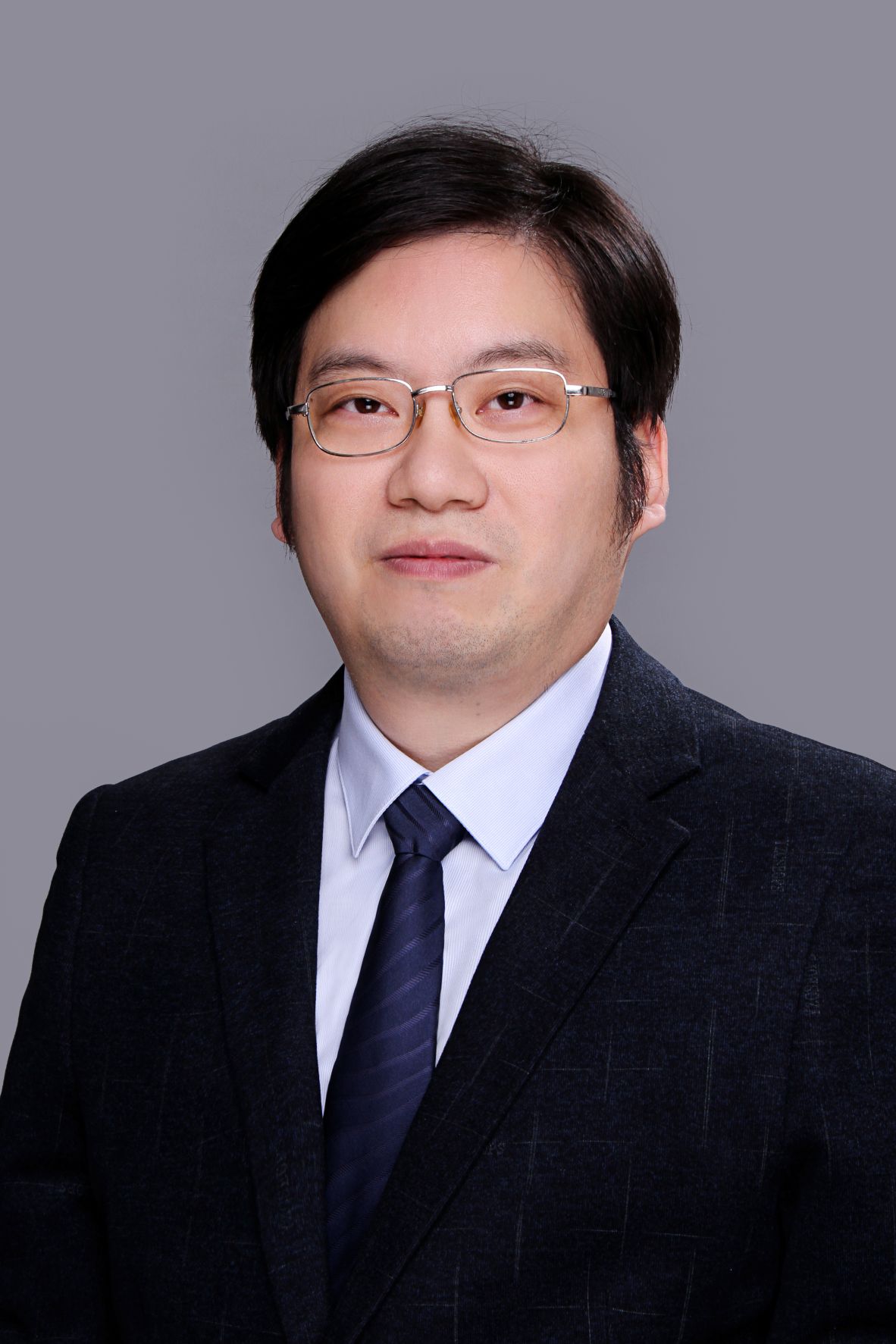
Prof. Dr. Hangguan Shan
Zhejiang University
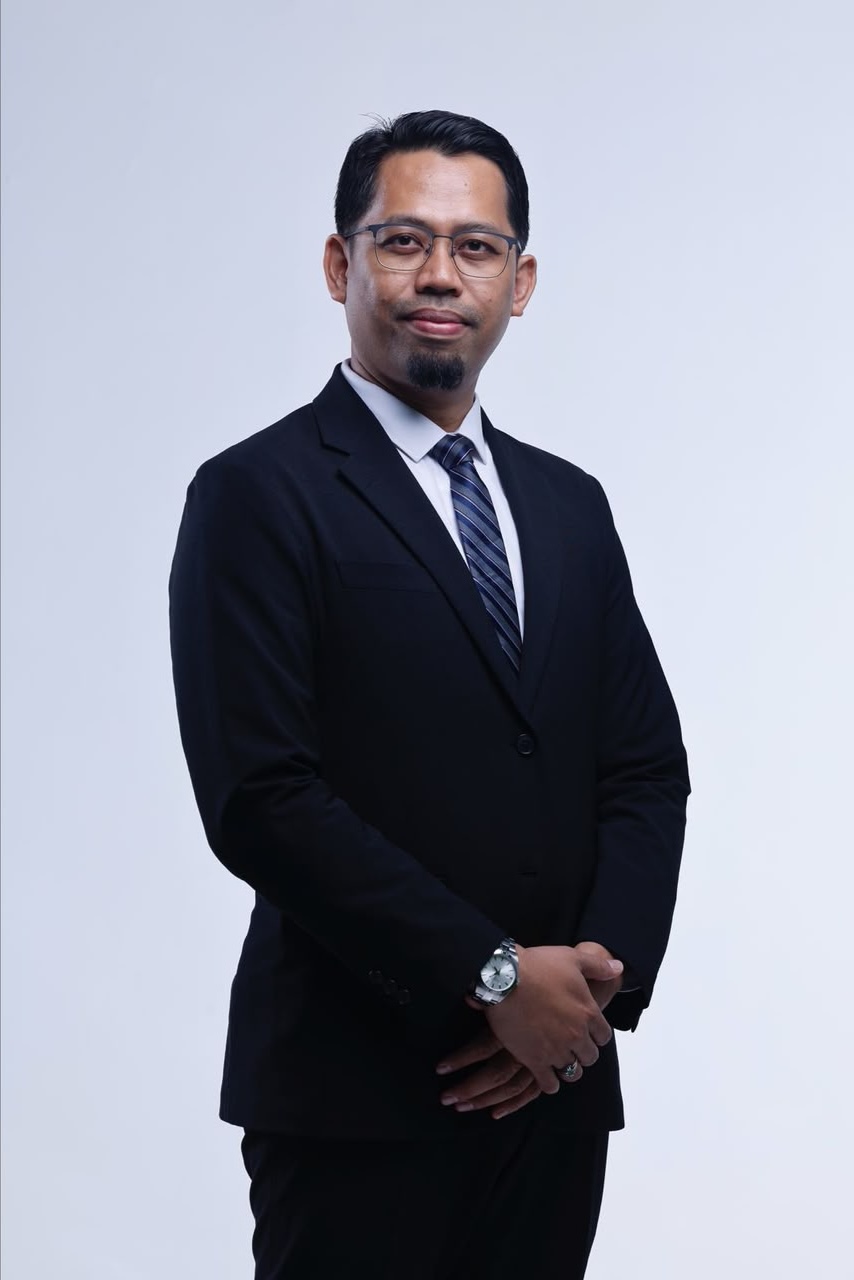
Prof. Ir. Ts. Dr. Ahmad ’Athif Mohd Faudzi
Universiti Teknologi Malaysia
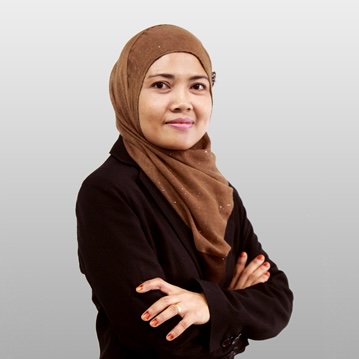
Prof. Ir. Ts. Dr. Sharifah Hafizah Syed Ariffin
Universiti Teknologi Malaysia
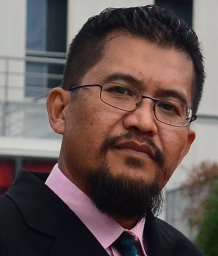
Assoc. Prof. Dr. Ahmad Shahrafidz Khalid
Universiti Kuala Lumpur
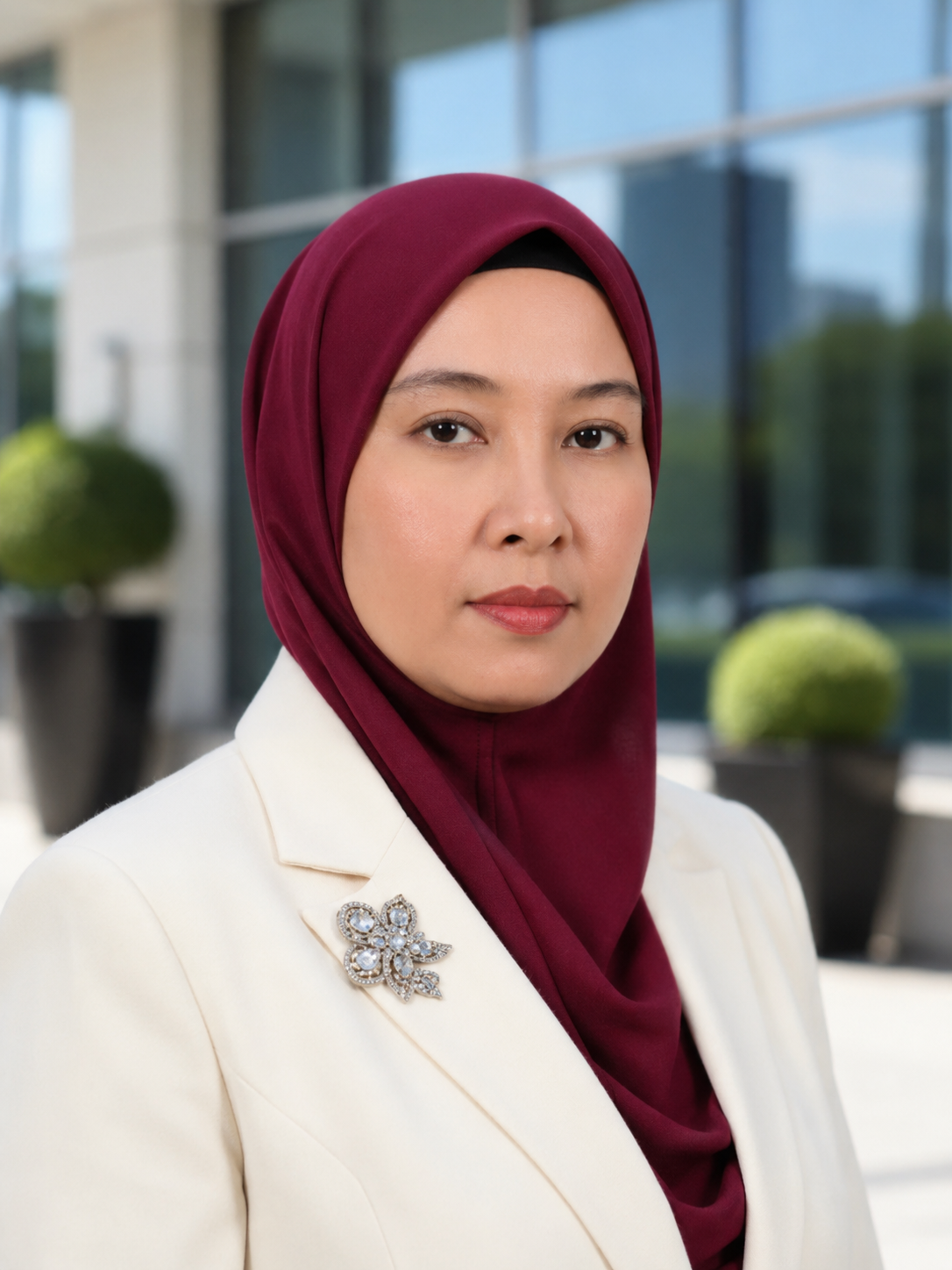
Assoc. Prof. Ts. Dr. Wahidah Hashim
Universiti Tenaga Nasional
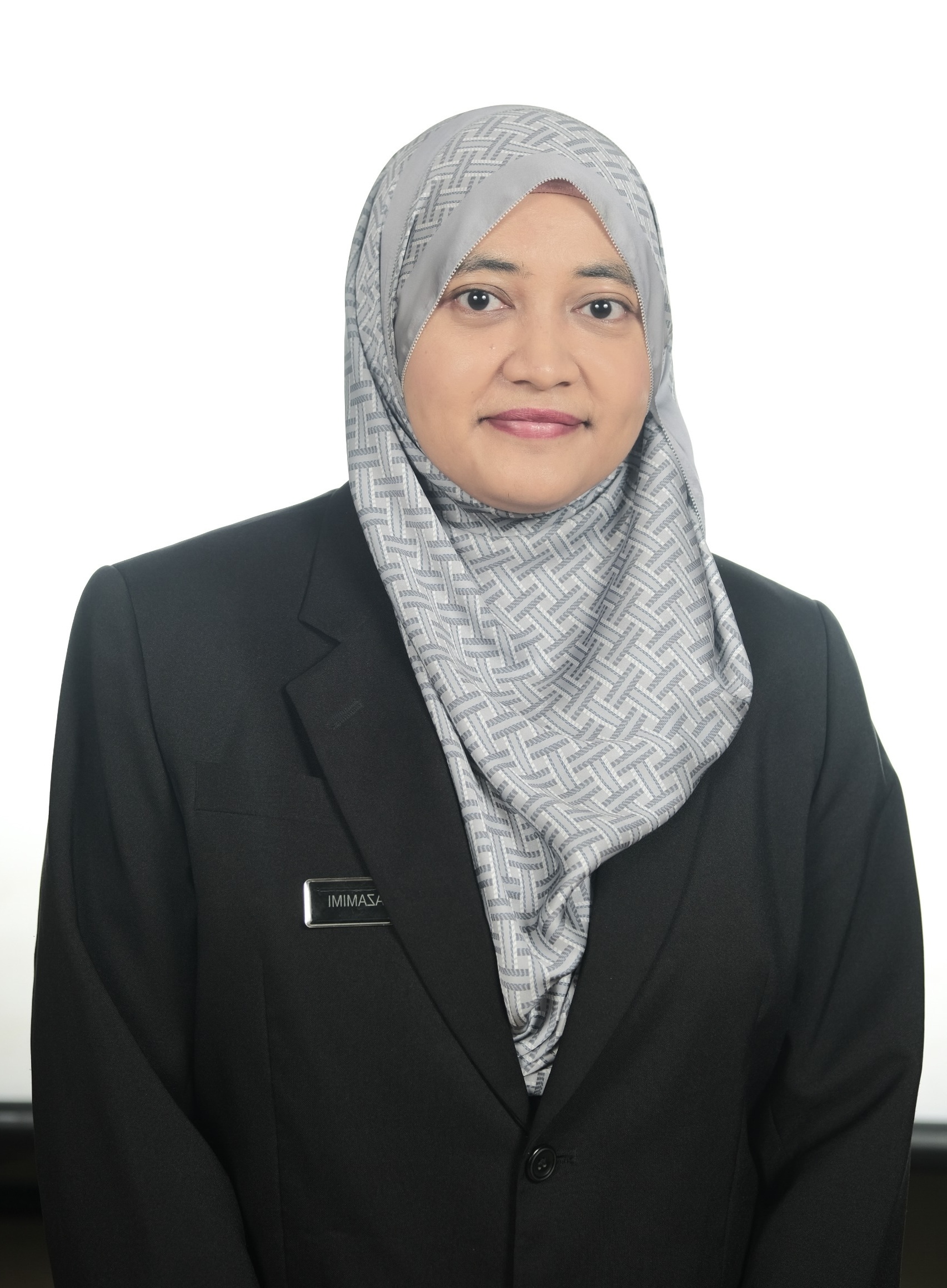
Assoc. Prof. Ts. Dr. Azian Azamimi Abdullah
Universiti Malaysia Perlis
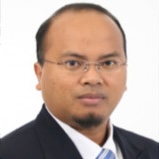
Ir. Dr. Ahmad Nizar Harun
MIMOS Berhad
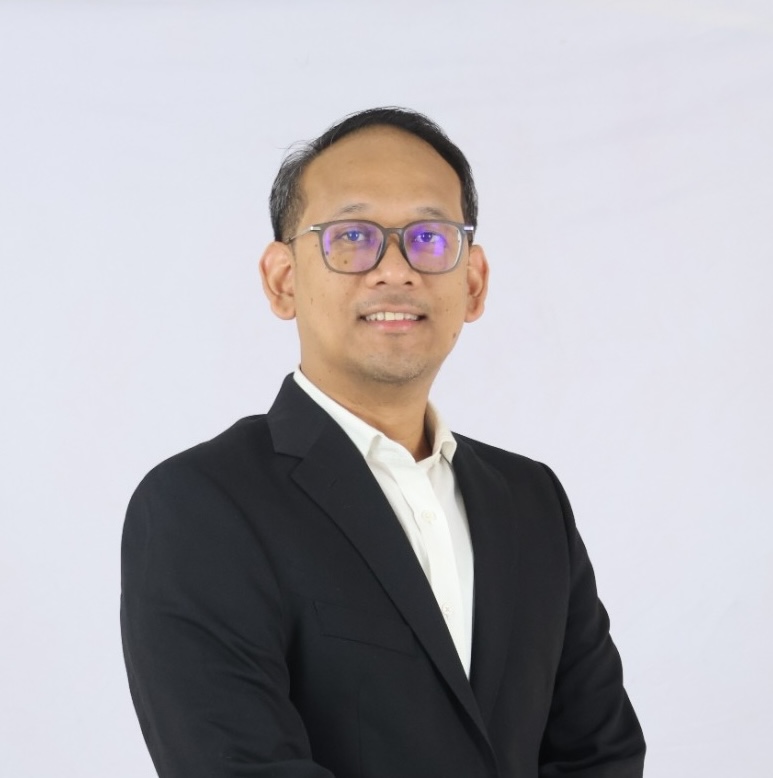
Ir. Dr. Mohd Nabil Muhtazaruddin
Universiti Teknologi Malaysia
Prof. Dr. Hangguan Shan
College of Information Science and Electronic Engineering,
Zhejiang University
Talk Title: Perceptive Mobile Networks for UAV Surveillance: From the Perspective of Cooperative Sensing
Date & Time: 22 September 2026, Tuesday, 2.30 PM
Short Biography
Hangguan Shan received the Ph.D. degree in electrical engineering from Fudan University in 2009. He is currently a Professor with the College of Information Science and Electronic Engineering, Zhejiang University.
His current research interests include resource management for wireless networks, edge computing and edge intelligence, integrated sensing and communication, and cooperative perception.
He received the Best Industry Paper Award from the IEEE WCNC 2011 and the Best Paper Awards from IEEE WCSP 2023 and IEEE/CIC ICCC 2024. He is currently on the editorial boards of IEEE Transactions on Vehicular Technology and IET Communications. He was also an Editor of IEEE Transactions on Green Communications and Networking. He is a Senior Member of IEEE.
Talk Abstract
Unmanned aerial vehicles (UAVs) are expected to be widely deployed across various applications owing to their low cost and high mobility. However, unregulated UAV operations may pose significant threats to public safety. Enabled by Integrated Sensing and Communication (ISAC) technology, future wireless networks are envisioned to integrate communication and sensing functionalities by sharing the same hardware infrastructure and spectrum resources, gradually evolving into Perceptive Mobile Networks (PMNs) with network-wide sensing capabilities.
Through cooperative sensing among multiple base stations, PMNs can obtain diverse spatial observations from different perspectives, thereby enabling comprehensive and cost-effective UAV surveillance.
In this talk, several key challenges in PMN design will be discussed, including sensing coverage assurance, network clutter suppression, and the tradeoff between sensing and communication performance. The talk will also examine the establishment of a theoretical framework for analysing the dual-functional performance of cooperative sensing-enabled PMNs, which can facilitate the optimisation of network configurations such as base station deployment and resource allocation.
Finally, the talk will discuss the design of cooperative transmit-receive beamforming for multi-cell anti-UAV ISAC systems to enhance the reliability of point-target UAV monitoring.
Prof. Ir. Ts. Dr. Ahmad ’Athif Mohd Faudzi
Centre for Artificial Intelligence and Robotics (CAIRO),
Universiti Teknologi Malaysia
Talk Title: Physical AI for Field Robotics: From Lab to Market
Date & Time: TBC
Short Biography
Prof. Ir. Ts. Dr. Ahmad `Athif Mohd Faudzi is a researcher and engineer with expertise in the fields of robotics, mechatronics, and system integration. He received his B. Eng. in Computer Engineering and his M. Eng. in Mechatronics and Automatic Control from Universiti Teknologi Malaysia, and his Dr. Eng. in System Integration from Okayama University. In addition to his academic credentials, he has also gained valuable industry experience through his Visiting Research Fellowship at the Tokyo Institute of Technology and his fellowship with Ericsson Malaysia Sdn. Bhd. He is a Professional Engineer with a practicing certificate (Peng-PEPC), a Chartered Engineer (CEng), and a member of several professional organizations, including the Malaysia IEEE Robotics and Automation Society (IEEE-RAS). Since March 2019-2024, he has been serving as the Director of the Centre for Artificial Intelligence and Robotics (CAIRO) at Universiti Teknologi Malaysia. He has received numerous accolades for his research, including the Top Research Scientist Malaysia (TRSM) award in the area of Robotics in 2020 and Fellow of Malaysia Academy of Sciences (ASM) on 2025.
His research interests include actuators (pneumatic, soft mechanism, hydraulic, and motorized actuators), as well as field robotics and bio-inspired robotics. He is a member of two ASM Special Interest Groups namely ASM-SIG Biodiversity and ASM-SIG Robotics.
Talk Abstract
Physical AI brings intelligence into machines that must perceive, move, and make decisions within the physical world. While laboratory environments allow controlled conditions and carefully calibrated systems, field robots must operate amid rain, dust, uneven terrain, sensor degradation, communication interruptions, positioning uncertainty, and changing operational demands. The transition from a successful prototype to a commercially viable product therefore requires more than increasingly sophisticated artificial intelligence.
This session examines the journey of field robotics from academic research and laboratory validation to real-world deployment and commercialisation. It highlights why system engineering, operational reliability, safety architecture, energy management, maintainability, and lifecycle support are just as critical as perception and autonomous navigation. The discussion draws on practical development experiences from A2LAB and A2TECH, including robotic systems for structural inspection, ventilation-duct maintenance, agricultural mechanisation, and autonomous security patrol. Case studies such as INSPECTO-D and X3CATOR-S demonstrate how field testing reveals challenges that simulations and controlled experiments often fail to capture.
The session also explores the “valley” between prototype and product, where technical performance must be translated into measurable operational value, sustained uptime, user confidence, and a scalable business model. It concludes with practical lessons for researchers, engineers, and technology entrepreneurs seeking to move Physical AI beyond impressive demonstrations toward dependable solutions that survive both the realities of the field and the demands of the market.
Prof. Ir. Ts. Dr. Sharifah Hafizah Syed Ariffin
Faculty of Electrical Engineering,
Universiti Teknologi Malaysia
Talk Title: Intelligent Bandwidth Allocation for Multi-Tenant SD-IoT Edge Network: A Structured Weighted Exploration Deep Q-Network Approach
Date & Time: TBC
Short Biography
Prof. Ir. Ts. Dr. Sharifah Hafizah Syed Ariffin received her B.Eng. (Hons.) in 1997 and her Master in Engineering from Universiti Teknologi Malaysia in 2001. She obtained her Ph.D. from Queen Mary, University of London, United Kingdom, in 2006.
She is currently a Professor with the Faculty of Electrical Engineering, Universiti Teknologi Malaysia, Johor Bahru, and a member of the Communication Network System Research Group (CNetS). Her work covers IoT research, network performance evaluation, virtual software-defined networks, technical training, and consultation.
She has published several books and more than 135 papers and holds 19 copyrights, one integrated circuit (IC), and one trademark. She is a registered Professional Engineer with the Board of Engineers Malaysia and a Senior Member of IEEE.
Talk Abstract
Diverse IoT traffic, including MQTT, HTTP, video, and FTP, creates conflicting Quality of Service (QoS) demands in multi-tenant edge networks. Traditional static bandwidth slicing is unable to effectively adapt to these dynamic demands, resulting in persistent Service Level Agreement (SLA) violations.
This work proposes a Deep Q-Network (DQN)-based adaptive bandwidth allocation framework implemented on an edge Software-Defined Network (SDN) testbed using Docker, Open vSwitch, and a modified Ryu controller.
The study evaluates ten configurations, with particular emphasis on a structured weighted exploration policy. The policy regulates the probability of selecting the “KEEP” action across different tenants through a tunable weight variable, enabling more intelligent and adaptive bandwidth allocation within a multi-tenant SD-IoT edge environment.
Assoc. Prof. Dr. Ahmad Shahrafidz Khalid
Universiti Kuala Lumpur
Talk Title: AI-Powered Ambient Assisted Living: Preparing Malaysia Before the Demographic Cliff
Date & Time: TBC
Short Biography
Assoc. Prof. Dr. Ahmad Shahrafidz Khalid is an Associate Professor at Universiti Kuala Lumpur (UniKL) with over 26 years of academic and research leadership. His expertise spans computer networking, Internet of Things (IoT) security, and security, trust, and privacy in Ambient Assisted Living (AAL).
He serves as a Sub-Working Group Chairperson at the Malaysian Technical Standards Forum Berhad (MTSFB) for IMT, IoT, and Intelligent Transport System Security. He has contributed to several Malaysian technical standards covering IoT privacy, device security, critical security controls, and IoT application security.
He holds a Ph.D. in Network, Telecommunication, Systems, and Architecture from ENSEEIHT, Toulouse, France, and a Master’s in Communication and Computer Engineering from Universiti Kebangsaan Malaysia. His research also spans machine learning applications in healthcare, blockchain, IoT security, and explainable AI (XAI).
Talk Abstract
Malaysia crossed the threshold into an ageing nation in 2021, when the proportion of citizens aged 65 and above reached seven per cent of the total population. By mid-2025, this figure had risen to 8.0 per cent, with twelve states classified as ageing jurisdictions. Current projections indicate that Malaysia will become an aged society, defined as 14 per cent elderly, by 2048.
Malaysia’s transition differs from the gradual ageing experienced in Western Europe because the progression from an ageing nation towards a super-aged society is compressed into roughly three decades, accompanied by sustained sub-replacement fertility and increasing longevity.
This presentation advances two interconnected arguments. First, Malaysia’s demographic transition is not merely a future policy concern but a present infrastructure challenge that requires the recalibration of eldercare systems before the baby-boom cohort enters advanced old age between 2030 and 2040. Second, Ambient Assisted Living (AAL), augmented by trustworthy AI, represents a scalable and culturally viable pathway to delay dependency, reduce institutionalisation, and preserve quality of life.
Drawing on comparative population pyramid analysis, the presentation examines Malaysia alongside the historical ageing trajectories of Japan, Italy, and Canada. It highlights the opportunity for Malaysia to undertake anticipatory governance while investment decisions on digital eldercare infrastructure can still be made proactively.
The presentation introduces a conceptual architecture for AI-native AAL ecosystems organised across five functional layers: sensing and IoT infrastructure, connectivity and edge computing, data governance and security, AI analytics and decision support, and care application interfaces. The framework emphasises socio-technical integration and the development of explainable and auditable AI systems that can earn the trust of healthcare providers, caregivers, and older adults.
Finally, the presentation situates the proposed architecture within Malaysia’s National Ageing Blueprint 2025–2045 and highlights priority areas involving regulatory and ethical frameworks, infrastructure, workforce development, interdisciplinary research, and public engagement.
Assoc. Prof. Ts. Dr. Wahidah Binti Hashim
Department of Computing,
Universiti Tenaga Nasional (UNITEN)
Talk Title: Digitising a Historical Botanical Index: A Data Engineering Approach for Structured Biodiversity Data
Date & Time: TBC
Short Biography
Assoc. Prof. Ts. Dr. Wahidah Hashim is the Head of the Department of Computing and a Principal Lecturer at the College of Computing and Informatics, Universiti Tenaga Nasional (UNITEN), Malaysia. She obtained her PhD in Telecommunication Engineering from King’s College London, United Kingdom.
Her research interests include wireless communications, Internet of Things (IoT), intelligent systems, environmental sensing, unmanned aerial systems (UAS), and machine learning applications. Her work focuses on developing technology-driven solutions for smart and sustainable environments, with applications in energy, biodiversity, and community resilience.
Dr. Wahidah has led and participated in numerous research projects funded by national and international agencies, including the U.S. Embassy Alumni Engagement Innovation Fund, the Ministry of Higher Education Malaysia, MOSTI, and Tenaga Nasional Berhad. She is also a recipient of the Fulbright US-ASEAN Visiting Scholar Award and the Newton-Ungku Omar Fund Leaders in Innovation Fellowships.
Talk Abstract
Historical botanical literature contains taxonomic knowledge that can support modern biodiversity information systems, but printed indexes are not directly machine-readable. This paper presents a data-engineering study based on the 'Index to Families and Genera' in M. R. Henderson's Malayan Wild Flowers: Monocotyledons (1954). The index pages were scanned, and the botanical terms were manually keyed, one by one, into a working Microsoft Excel file as the first stage of an ongoing wildflower database project. The study does not treat these terms as field observations, verified species occurrences, or a completed taxonomic database. Instead, it treats the transcription as a legacy-data digitisation problem and contributes a reproducible pipeline for it.
Deterministic rules were used to profile five alphabetical worksheets, preserve the original transcribed values, identify basic formatting issues, distinguish family-related labels, and flag records requiring later taxonomic verification. The current workbook contains 284 populated botanical text entries: 108 in A–E, 38 in F–J, 31 in K–O, 94 in P–T, and 13 in U–Z. The audit identified 55 family-related labels, four entries with leading or trailing whitespace, one explicit N/A value, and no exact duplicates after trimming and case-insensitive comparison. Beyond this empirical audit, the paper formalises the profiling procedure as a reusable deterministic algorithm and proposes a provenance-aware relational schema source record, taxon and validation entities that keeps the historical index term immutable while later interpretations accumulate around it. The workflow, the algorithm and the schema are presented as transferable engineering artefacts, so the contribution extends beyond the specific 284-entry dataset to any small institution digitising a printed taxonomic index with limited resources and no dedicated OCR pipeline.
Assoc. Prof. Ts. Dr. Azian Azamimi Abdullah
Faculty of Electronic Engineering & Technology,
Universiti Malaysia Perlis
Talk Title: AI-Based Automated Classification of Mosquito Eggs from Ovitrap Images for Dengue Vector Surveillance
Date & Time: TBC
Short Biography
Dr. Azian Azamimi Abdullah obtained her bachelor’s and master’s degrees in Electrical and Electronic Engineering from the University of Tokushima, Japan, in 2006 and 2009, respectively.
She further advanced her academic journey by completing her Ph.D. in Information Science at the Nara Institute of Science and Technology (NAIST), Japan, in 2017. Before transitioning to academia, Dr. Azian gained valuable industry experience as an engineer at Toshiba Electronics from 2006 to 2007.
She is currently an Associate Professor at the Faculty of Electronic Engineering & Technology, Universiti Malaysia Perlis (UniMAP). Dr. Azian’s research interests span bioinformatics, artificial intelligence, big data, and machine learning.
She has authored numerous books and journal articles and actively shares her work at both national and international conferences. Dr. Azian is also a Senior Member of IEEE, reflecting her active involvement in the global engineering community.
Talk Abstract
Dengue vector surveillance requires rapid and reliable estimation of Aedes mosquito breeding activity, yet conventional ovitrap analysis still depends on manual microscopic egg identification and counting. This work presents an AI-based system for automated mosquito egg classification, localisation, segmentation, and counting from ovitrap images.
The proposed workflow combines RGB-to-HSV image preprocessing and morphological refinement with EfficientNet binary classification, YOLOv8 object detection, and YOLOv8-seg instance segmentation. The dataset comprised 193 ovitrap images with 10,095 annotated mosquito egg instances for detection and segmentation.
For the classification stage, class imbalance was addressed by augmenting the Non-Egg class to form a balanced set of 376 images. Experimental results show that fine-tuned EfficientNet-B0, B3, and B4 achieved 97.37% accuracy, 95.00% precision, 100.00% recall, and a 97.44% F1-score, while EfficientNet-B3 provided the best practical balance between accuracy and computational cost.
YOLOv8-seg achieved 0.89 bounding-box precision and 0.88 mAP@0.50 for object localisation. Counting tests demonstrated close agreement with ground truth under normal and low-light conditions, including 205 detected eggs from 206 ground-truth eggs at a low confidence threshold.
The developed graphical user interface supports automated counting, risk categorisation, and surveillance-site visualisation for more scalable dengue vector monitoring.
Ir. Dr. Ahmad Nizar Harun
MIMOS Berhad
Talk Title: Comparative Evaluation of Large Language Models for Sentiment Analysis: Performance Evaluation of ChatGPT, Gemini, Claude, DeepSeek, Qwen and Llama
Date & Time: TBC
Short Biography
Ir. Dr. Ahmad Nizar Harun is currently the CEO of MIMOS SAcademy Sdn. Bhd. He has authored and co-authored numerous publications in international conferences, journals, and proceedings covering wireless communication, IoT, cloud computing, artificial intelligence, and precision farming.
He previously served as Project Director for the TNB Nuclear Program, working with nuclear scientists, experts, and international teams from the United States, United Kingdom, Austria, Denmark, and Bulgaria. His work has also involved engagement with international technology providers and participation in technical discussions at the International Atomic Energy Agency (IAEA).
He has been appointed as an AI trainer by various institutions and organisations, including Tenaga Nasional Berhad and universities in Malaysia. His research and professional interests include Business Intelligence, Artificial Intelligence, ESG, and renewable energy. He is also involved in academic advisory and curriculum-related activities with Malaysian universities.
He holds 15 patents and has published more than 27 research papers as well as other academic writings, book chapters, and publications.
Talk Abstract
The rapid proliferation of large language models (LLMs) has transformed sentiment analysis, a core task in natural language processing. This paper presents a systematic comparative evaluation of six prominent LLMs ChatGPT (GPT-4/GPT-4o), Google Gemini, Anthropic Claude, DeepSeek, Alibaba Qwen, and Meta Llama for sentiment analysis.
Following a PRISMA-informed search of five scholarly databases (412 records screened, 45 studies included), we synthesize empirical studies published between January 2023 and July 2026, examining zero-shot and few-shot classification, cross-lingual transfer, aspect-based sentiment analysis (ABSA), robustness, figurative language, domain adaptation, and prompt sensitivity. Three findings are salient. First, under identical evaluation protocols the leading model varies with task design: GPT-4o leads three-class survey sentiment (93.4% accuracy versus 89.9% for Llama-3.3-70B and 76.1% for Gemini-2.0-Flash), DeepSeek-V3 leads binary and multilingual classification (99.0% versus 87.9% for ChatGPT on IMDB), and Claude Sonnet-4 attains the highest aspect-extraction F1 on Turkish banking reviews. Second, performance on low-resource languages degrades by 15–25 percentage points across all six families. Third, prompt reformulation alone shifts reported accuracy by 3–15 points, a range comparable to the gaps between models. We conclude that current rankings are provisional and protocol-dependent, and we identify the structural challenges version drift, selection bias, and unreported statistical uncertainty that rigorous LLM sentiment benchmarking must address.
Ir. Dr. Mohd Nabil Muhtazaruddin
Faculty of Artificial Intelligence,
Universiti Teknologi Malaysia
Talk Title: Optimal Sizing and Rule-Based Energy Management of Residential Hybrid Renewable Energy Systems Via a Hybrid ISSA–ALO Optimization Algorithm
Date & Time: TBC
Short Biography
Ir. Dr. Mohd Nabil Muhtazaruddin is a Senior Lecturer at the Faculty of Artificial Intelligence, Universiti Teknologi Malaysia (UTM). He received his Ph.D. from Shibaura Institute of Technology, Japan, and has over 15 years of academic and professional experience.
His research interests include renewable energy systems, power system analysis, artificial intelligence, and advanced optimisation techniques.
At ICSSA 2026, he will present his research on the optimal sizing and rule-based energy management of residential hybrid renewable energy systems using a hybrid ISSA–ALO optimisation algorithm, focusing on efficient, reliable, and sustainable energy management through advanced computational approaches.
Talk Abstract
Residential hybrid renewable energy systems (HRESs) have become an effective solution for improving energy reliability while reducing operating costs and environmental impacts. However, determining the optimal sizes of Photovoltaic (PV) arrays, Wind Turbines (WT), Battery Technology (BT), and Diesel Generators (DG) remains a challenging multi-objective optimization problem because of the conflicting economic, reliability, and environmental objectives. This paper proposes a hybrid optimization framework based on the Improved Salp Swarm Algorithm (ISSA), Ant Lion Optimizer (ALO), and a Rule-Based Energy Management System (RB-EMS) for the optimal sizing and energy management of a residential hybrid microgrid.
The proposed framework simultaneously minimizes the Cost of Energy (COE), Net Present Cost (NPC), Loss of Power Supply Probability (LPSP), and carbon dioxide (CO₂) emissions while maximizing the Renewable Energy Fraction (REF). A residential case study in Basra, Iraq, is used to evaluate the proposed approach. The optimal configuration achieves an NPC of 52,800 USD, a COE of 0.138 USD/kWh, an annual operating cost of 2,450 USD, an LPSP of 0.012, and a REF of 84.2%, while reducing annual CO₂ emissions by approximately 70% (3.9 tons/year). Comparative analysis against ISSA, SSA, ALO, and Particle Swarm Optimization (PSO) demonstrates that the proposed hybrid ISSA–ALO framework provides superior renewable energy utilization with fewer PV panels and wind turbines while maintaining reliable system operation. These results demonstrate the effectiveness of the proposed optimization framework for residential hybrid renewable energy systems.